TMJ Treatment: Why Addressing Jaw Pain Shouldn’t Wait
Nagging jaw pain? Clicking that makes your kids ask what that weird sound is? Headaches that just won’t quit? These are all signs of a possible TMJ disorder, or misaligned bite, not just an annoying distraction.
TMJ disorders (Temporomandibular Joint disorders) can cause everything from chronic headaches to jaw popping and even ear pain. While you might be tempted to ignore it, it’s better to tackle it head-on.
Here’s what you’ll learn in this blog:
✔ What TMJ disorders are and why they happen.
✔ How Mint Orthodontics can help you get relief with innovative, custom treatment plans.
✔ When to take action and schedule your consultation, because jaw pain isn’t something to put off.
What Are TMJ Disorders, and Why Do They Happen?
Your TMJ is like the multitasking overachiever of joints. It connects your jaw to your skull and handles everything from chewing and talking to yawning and clenching your teeth.
But when things go wrong, whether from injury, teeth grinding, arthritis, bite issues, or misalignment, it’s game over for your comfort.
Symptoms can include:
Jaw pain or tendernessPopping, clicking, or locking of the jawChronic headaches or ear painDifficulty chewing or a noticeable change in your biteMuscle pain
Unfortunately, it doesn’t just go away on its own. Ignoring TMJ pain is like ignoring a leaky faucet, it’s only going to get worse until you do something about it.
How Mint Treats TMJ Disorders
Here’s where we come in. At Mint Orthodontics, we don’t do one-size-fits-all solutions. Our approach to TMJ treatment is customized, comprehensive, and designed to actually fix the problem, not just mask the symptoms.
Our team uses advanced diagnostic tools to pinpoint the source of your TMJ pain and create a treatment plan tailored to your needs. This might include:
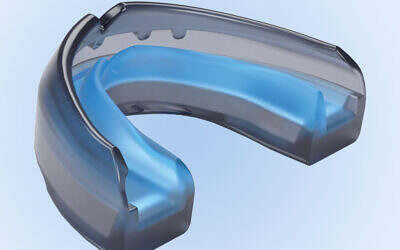
- Orthodontic Appliances: Custom-made splints or mouthguards designed to alleviate pressure on your jaw joints and keep things aligned.
- Bite Correction: Realigning your bite to ensure your teeth fit together properly, reducing strain on your jaw. This could include treatment with Invisalign or LightForce braces.
- Lifestyle Modifications: Sometimes it’s as simple as making adjustments to your daily habits.
- Physical Therapy Techniques: Oftentimes tongue exercises and a combination of hot or cold compresses at various times can help reset your muscles and alleviate spasms.
The results include less pain, more relief, and a jaw that finally knows how to relax.
Get TMJ Treatment in Minneapolis
At Mint Orthodontics, we make it easy to get the relief you deserve. Book your consultation online and let’s get your jaw back on track, because dealing with pain should never be part of your daily grind.
Not sure if your symptoms are TMJ related? Schedule anyway, our free comprehensive evaluation could help identify the real source of your discomfort, even if it’s not TMJ.
Ready to say goodbye to TMJ pain? Schedule Your Consultation Today!