You know that sound nails make on a chalkboard? Now imagine that, but it’s your teeth doing the damage. Not the soundtrack you want while you sleep.
Teeth grinding (a.k.a. bruxism) might be quiet, but the damage is loud and clear. From worn enamel to jaw pain and even cracked teeth, it’s one of those sneaky issues that can wreck your smile before you even know it’s happening.
In this blog, you’ll learn:
✔ What teeth grinding (bruxism) actually is
✔ Why it happens (and why it loves stress)
✔ The signs your teeth are secretly suffering
✔ What Mint can do to help stop the grind
Let’s get into it.
What Is Bruxism (Teeth Grinding)?
Bruxism is the fancy name for teeth grinding or clenching, usually when you’re not even awake to know you’re doing it. It’s often stress-related, but it can also be tied to sleep issues, bite misalignment, or even your personality type (shoutout to the overachievers and perfectionists).
There are two types:
- Awake bruxism: Think stress clenching during a deadline or traffic jam.
- Sleep bruxism: Your jaw decides to do the cha cha slide while you’re asleep.
Neither is great. But the sleep version is where things can be tricky, because you can’t exactly stop yourself mid-sleep, but the aftermath will make itself known.
Signs You’re Grinding Your Teeth
Teeth grinding isn’t always loud or obvious. Some people find out because their dentist spots it. Others get the news from a partner who’s up all night listening to it. Here are some signs that your teeth might be taking a beating behind the scenes:
Waking up with jaw pain or headachesChipped or flattened teethIncreased tooth sensitivityTight or sore jaw musclesSleep disruption
If your teeth are mysteriously taking a beating, or you keep waking up feeling like you went ten rounds with a jaw workout, you might be dealing with bruxism.
What Causes It (And Can You Control It)?
Bruxism doesn’t always have one clear cause, but there are a few common culprits:
- Stress and anxiety
- Sleep disorders (including sleep apnea)
- Bite problems or jaw misalignment
- Lifestyle habits like caffeine, alcohol, or tobacco
- Certain medications (especially antidepressants)
It can also run in families, and it’s more common in people who are super driven, competitive, or prone to perfectionism (guilty).
How an Orthodontist Treats Teeth Grinding
Good news, we don’t just straighten teeth. We protect them too. This is how:
- Complete a full complimentary exam and digital scan to assess damage and alignment
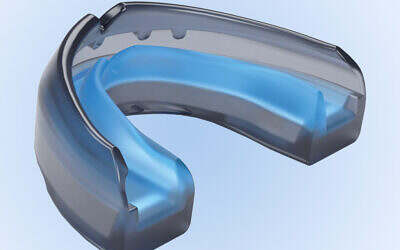
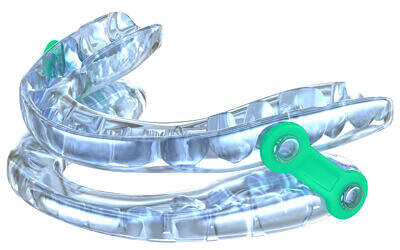
- Create custom night guards that keep your teeth safe while you sleep
- Adjust your bite if alignment is the issue
- Coordinate with specialists if it’s tied to something deeper, like TMJ or sleep apnea
Because you shouldn’t have to choose between a beautiful smile and a functional one. We’re here for both.
Don’t Let Grinding Wreck Your Glow-Up
If you think you might be grinding your teeth, consciously or not, it’s time to get ahead of it.
Let’s talk about it.
Book your free virtual consultation and let’s give your teeth the peace (and protection) they deserve.