
Why fall is a good time to start adult orthodontic treatment
As life settles into a more predictable rhythm, something you’ve been putting off might finally fit. Including orthodontic treatment.


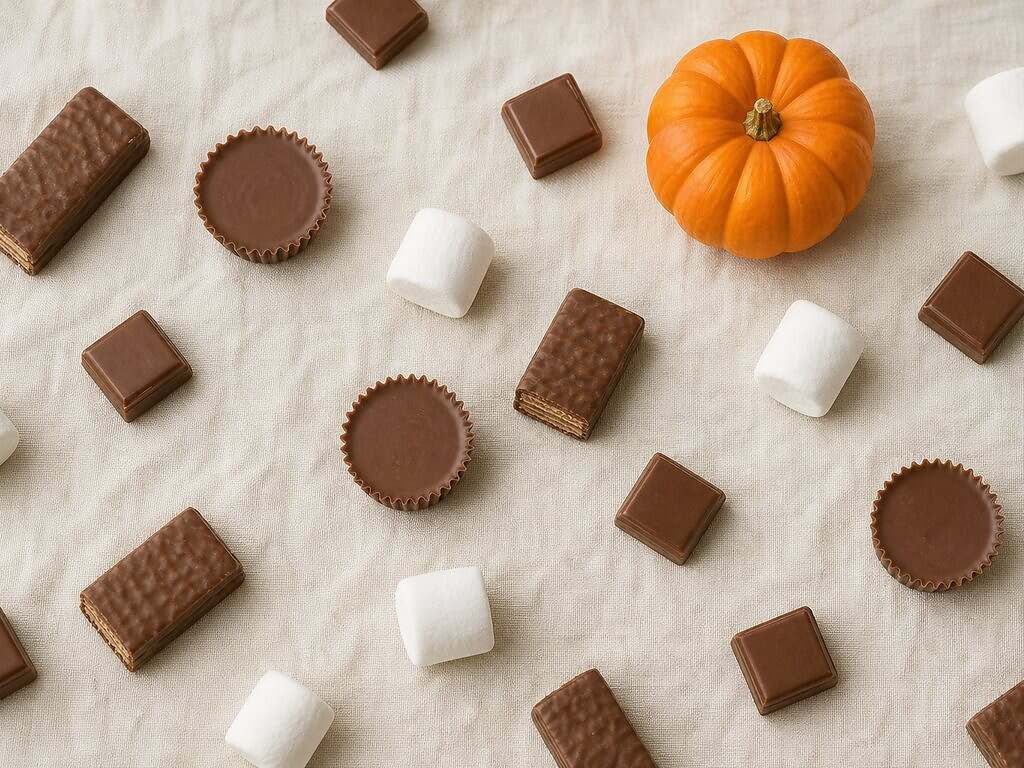
These ratings are a practical guide based on texture and ingredients, not measured chances of damage.
The American Association of Orthodontists lists chocolate, peanut butter cups, KitKat, 3 Musketeers, and marshmallows among options to enjoy.
Melts easily. Choose versions without nuts, caramel, or hard additions.
Soft filling. Added nuts or crunchy pieces change the rating.
Light wafer is different from hard toffee. Take small, gentle bites.
Fluffy filling is a better choice than dense, chewy caramel.
Soft, but texture varies. Skip tough, sticky, or dried-out versions.
A chocolate center doesn’t remove the hard-shell concern. Choose plain chocolate instead.
Flexible can still mean chewy or sticky. These belong in the skip pile.
Chewy texture plus acid that attacks enamel. Skip it.
Sticky filling can pull on brackets. A coating doesn’t change the center.
Hard bites can damage brackets or wires. Sugar-free versions still have this risk.
Before you claim your favorites, check what’s inside the wrapper. A chocolate coating can hide caramel, nuts, or a hard center.
Higher score means more braces-friendly.
A 5/5 is a lower-risk choice, never a guarantee. All sugary candy still needs cleanup.
Follow your orthodontist’s food instructions.
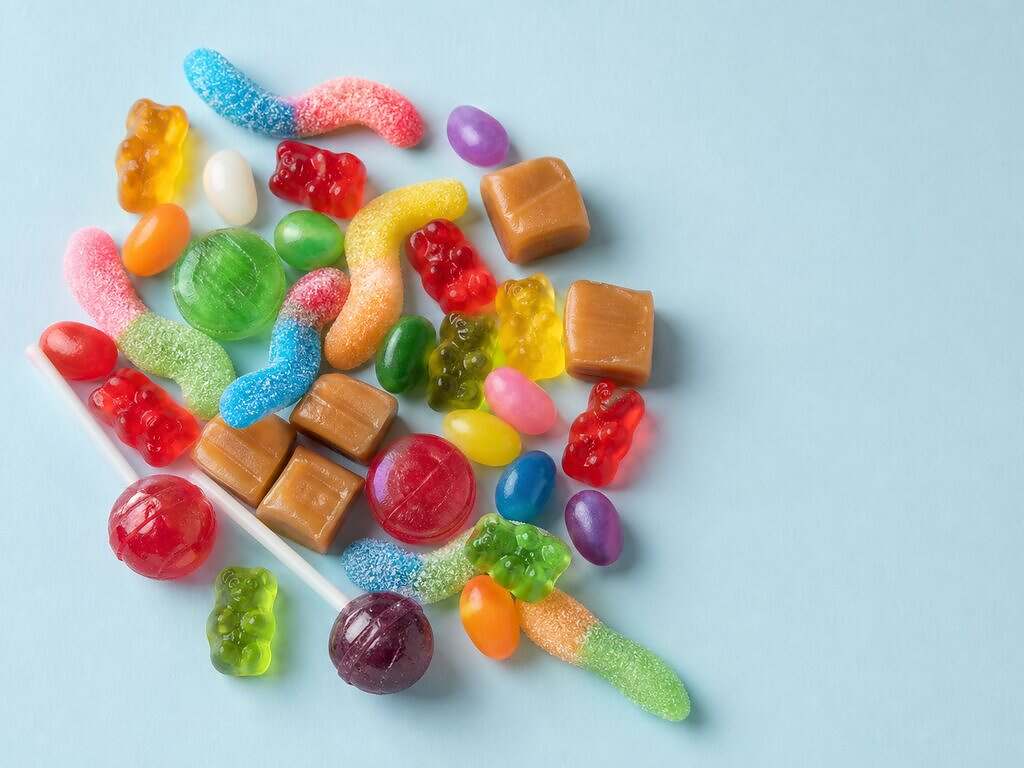
A gummy bends in your fingers. Taffy stretches. Caramel squishes. That softness can make them look like good options, but sticky candy can cling to braces and loosen brackets.
When you check a label, look beyond the main flavor. A chocolate bar with caramel needs to stay in the skip pile, even if chocolate is the first word on the wrapper. The same applies to miniature versions: a smaller caramel candy still contains caramel.
Compare a smooth peanut butter cup with chocolate wrapped around whole nuts. Both look like chocolate from the outside. Their centers give you very different things to bite into.
For an unfamiliar candy, check the filling and texture before eating it. If you can’t tell whether it contains something hard or sticky, set it aside and ask your orthodontist.
There’s no need to test it with your teeth.
Sour candy adds another concern: acid. The American Dental Association explains that sour candies contain acids that attack tooth enamel. Even a candy that doesn’t break a bracket can be tough on your teeth.
Sugar-free also doesn’t make a hard or sticky candy suitable for braces. You still need to check its texture.
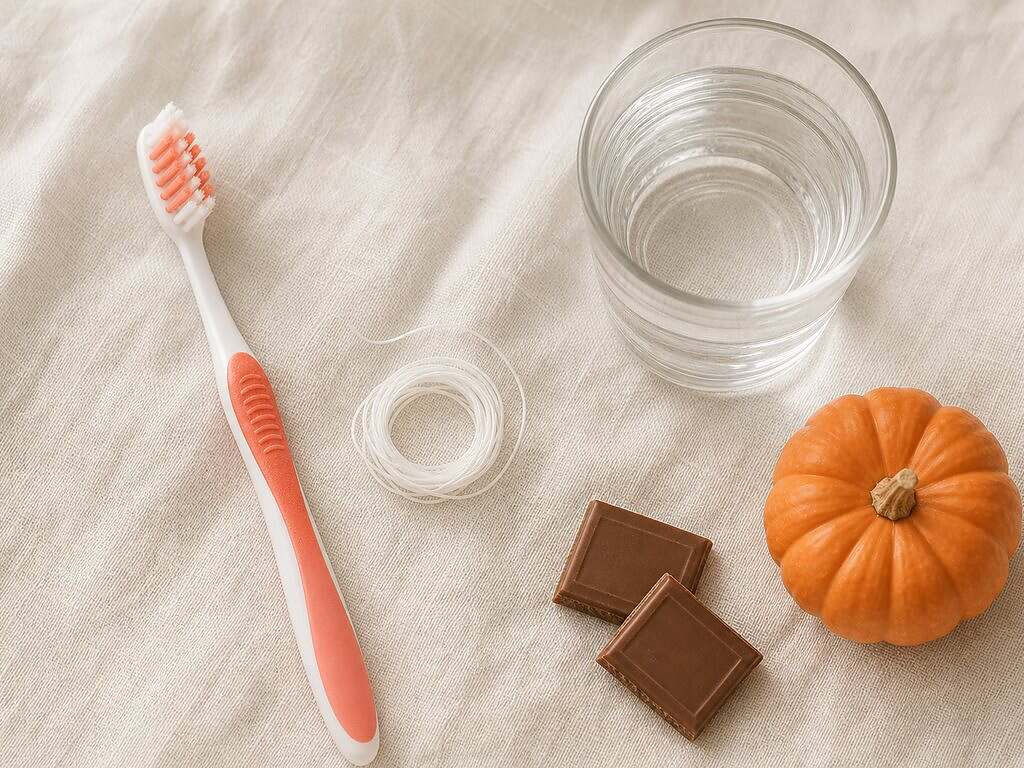
Choose a little candy with a meal or right afterward, rather than reaching into the bag throughout the day. Frequent sugary snacking increases cavity risk.
Drink water after treats to help rinse away food. Brush carefully around your brackets with fluoride toothpaste, and keep up your daily flossing. Candy that is easier on braces still contains sugar and needs cleanup.
If you notice a loose bracket or a wire out of place, contact your orthodontist promptly for instructions. A repair may be needed before your next scheduled visit.
Already wearing braces? Ask your orthodontist about any candy you’re unsure of.
Thinking about treatment? We’d love to help you understand your options. Visit mintortho.com to book a free consultation at Mint Orthodontics in Minneapolis, in person or from your couch.
Get started with a free in-person or virtual consultation today.
As life settles into a more predictable rhythm, something you’ve been putting off might finally fit. Including orthodontic treatment.

When the kids head back to school, something magical happens. Back-to-school season is one of the best times of year for adults to start Invisalign.

How to enjoy the Twin Cities food scene, local farmers markets, and food trucks while keeping your treatment flawlessly on track. Summer weekends in Minnesota are precious. After months of waiting for patio season, we all want to make the most of every sunny day....